Picture this: 1997, Warwick University, me and my friends are at the student union bopping half-heartedly to a generic pop song that everyone likes, but we think we’re too cool to really dance to. Then a heavy bass thump drops with a catchy drumbeat followed by the charismatic, soulfully sung words “Oh Lord, Lord, Lord would you please…”. At this, me, my friends and the entire student union cheer loudly and begin singing along to the rest of the song, while throwing down some serious moves on the dancefloor.
Remember me?
I’m the one who had your babies, yes I…
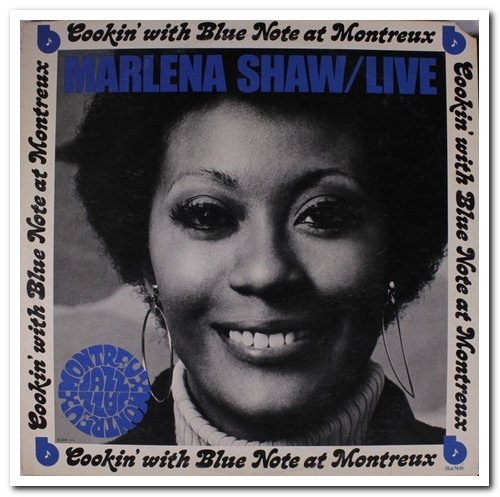
The song I’m talking about is of course “Remember Me” by Blue Boy, a British DJ and was a huge dance hit, unknowingly introducing a generation of young ravers like myself to the musical prowess of one Marlena Shaw. The song is built around samples from Shaw’s 1973 live recorded version of her song ‘Woman of the Ghetto’ at the Montreux Festival. Everytime I heard ‘Remember Me’, I felt like my soul was being transported to another place in time, and to this day, whenever I hear it I will never fail to be dancing and singing along to it. At the time of it release, I always thought the line “Remember me? I’m the one who had your babies” was directed to some errant man who had left a woman alone to raise their kids. But in actual fact that line is in reference to African-American maids raising white children for next to nothing pay, often putting the needs of these children ahead of their own.
Who is Marlena Shaw, anyway?
A soul-jazz vocalist, Marlena Shaw began to show her versatile talents at age 10 at Harlem’s famed Apollo Theatre. Despite the enthusiasm and encouragement of the notoriously tough crowd, Shaw’s mother refused to let her daughter go on the road with her uncle, who was a trumpet player, because of her young age. Shaw later enrolled in college to study music but dropped out. She got married and had five children, but still never gave up her hope of a career in music and becoming an acclaimed musical artist. She played at various clubs and venues and was discovered by Chess Records which signed her to its Cadet subsidary, for whom she would record two albums.
‘Woman of the Ghetto’ is the first track on Shaw’s 1969 album ‘The Spice of Life’. It’s a powerful and somewhat bleak depiction of Black life in American sung hauntingly in the first person, and most significantly from a woman’s perspective. The song is a powerful riposte to sociologists, politicians and the like discussing the conditions of the ghettos and problems Black America faced – often blaming Black people themeselves for the situation they were in. What Marlena Shaw does so beautifully and robustly is challenge this notion by asking the unamed ‘Legislator’ to “listen” and answer questions about the life experience of a mother and a woman “born and raised in the ghetto”.
How do you raise your kids in a ghetto
How do you raise your kids in a ghetto
Feed one child and starve another
Tell me, tell me, legislator
She also expresses concerns around housing conditions (“How do we get rid of rats in the ghetto?”), asking the legislator to provide a solution (“Do we make on black and one white in the ghetto, Is that your answer legislator?). She even brings up the legacy that slavery has wrought upon African Americans, more explicitly so in the live version, ending the verse by asking if the legislator’s heart beats with shame or fright (or pride).
Now how do you legislate brother
Listen to me
How do you legislate brother
When you free one man and try to chain up the other
Hell tell me, tell me legislatorHow does your heart feel late at night
How does you heart feel late at night
Does it beat with shame
Does it beat with fright
Won’t you tell me, tell me legislator
Shaw draws upon her jazz vocal training and uses scat syllables in the song’s refrain like some kind of chant. In the live version of the song, she sings “ging, gi-gi-gi-gi-ging…”, which is the scat portion famously sampled by Blue Boy in ‘Remember Me’. However in the original version, some of her scat portions sound like they’re caught between the two words “chain” and “change”, perhaps refering to the chains that kept Black people in the inner cities bound and the call for change to be able to transcend those conditions.
More than a dance anthem
When I first heard ‘Woman of the Ghetto’, I was blown away by the vivid imagery Shaw conjures with her lyrics and just the way her voice seems to weave and wrap around your mind and soul, staying with you for days. I always imagine the legislator unable to sleep at night haunted by her lyrics. Though it’s not a civil rights anthem, the song is in itself a compelling narrative or commentary on the lives of many Black Americans in the 1960s and 1970s, where poverty, crime, unemployment and lack of education and opportunities ran rife, by those who were living it, instead of those commentating from their “ivory tower”. Those commentators asked for peace, presumably in response to the many uprisings at the time, but as Shaw points out “self-respect” is what the people wanted.
For me the song is also bit of a feminist anthem. When I hear Marlena Shaw singing about being a woman, Black, “strong and true” and emphasising the humanity of Black children and Black people in general, I can’t help but to envision Black women marching and demanding their human and civil rights as they did then and continue to do today, often in the absence of, or ahead of Black men. And despite the bleakness of the lyrics, it does make me proud to be a Black woman and indeed the song does emphasise the pride a Black person can and should have in themselves. That all said, considering a lot of the issues the song highlights still remain, it reminds us that we still have oh so very far to go.
Listen to the live version of ‘Woman of the Ghetto’:
Sources
The Overlooked Activist Power Of Marlena Shaw by Phil Harrell and Emily Lordi, NPR (podcast)
Marlena Shaw – Wikipedia
Marlena Shaw Live at Montreux – Wikipedia
Song of the Day: Marlena Shaw, “Woman of the Ghetto” by Matt Micucci
Remember Me (Blue Boy song) – Wikipedia
 Just Read It